

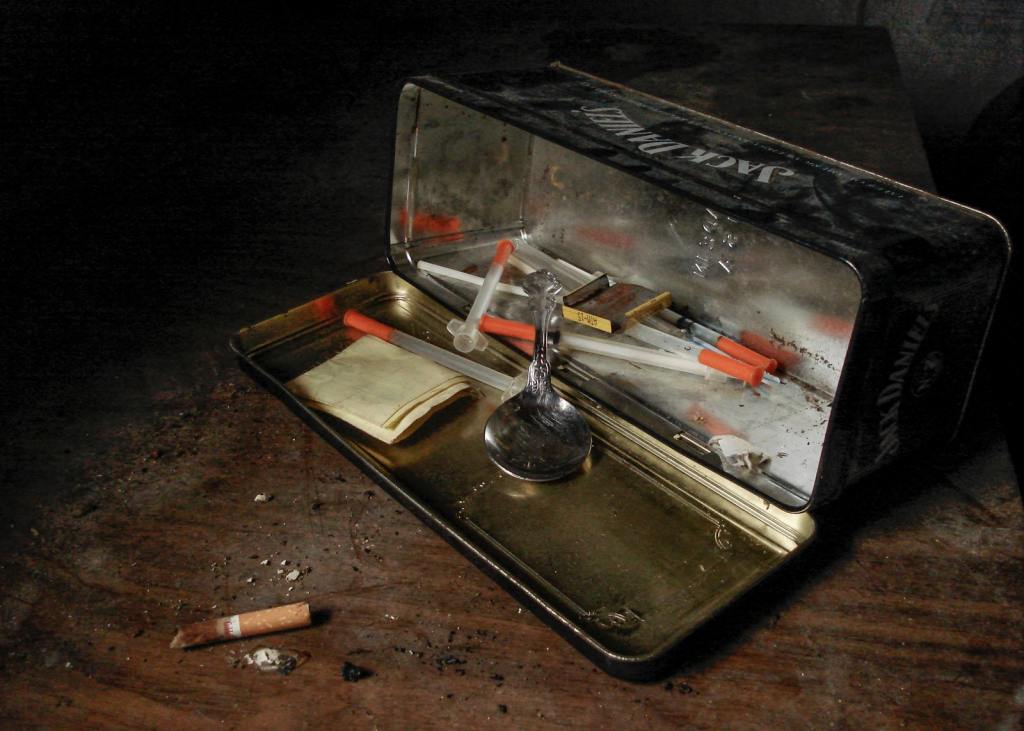
Since 1999, opioid overdose deaths have quadrupled and opioid prescriptions have increased markedly – almost enough for every adult in America to have a bottle of pills.
– U.S. General Surgeon Vivik Murthy
In 2018 the Centers for Disease Control and Prevention (CDC) announced that upwards of 69,000 people died for overdoses related to use of opioids. This figure is a 10% increase from opioid related deaths from the previous years, with statistics growing as the health care industry implements new policies to prevent instances of overprescription. Since the start of the second wave in the opioid crisis deaths have dramatically risen, with heroin and synthetic opioids quadrupling in numbers. While prescription derived opioids such as oxycontin and remained steady over the past few years, it is suggested that illegal reformulated versions of oxycontin could contribute to the mortality rate in the future.
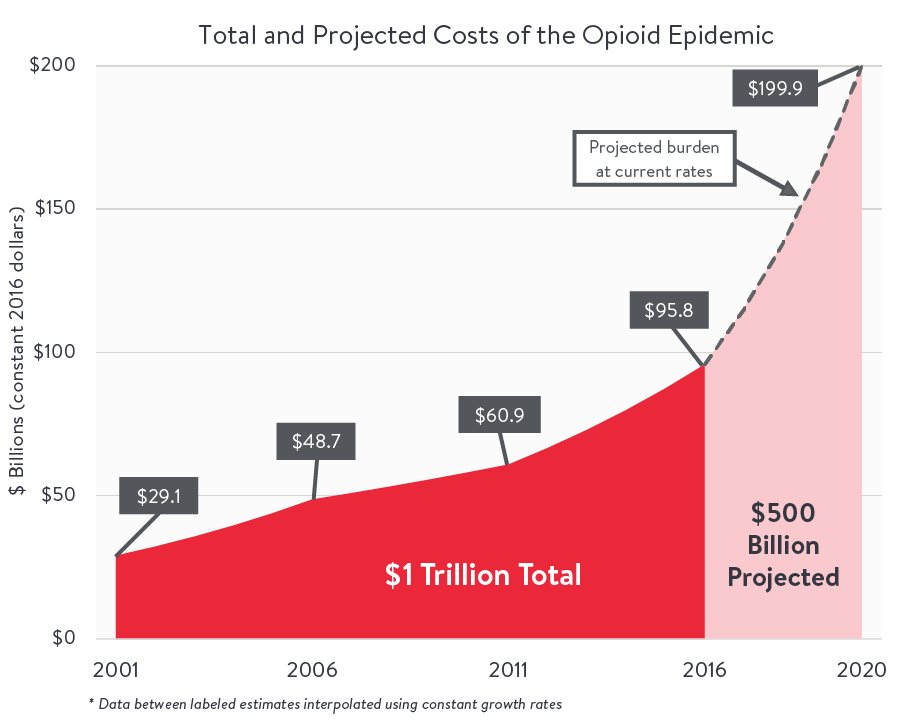
Issues related to opioid use are starting to have serious implications. The CDC estimates that the United States spends upwards of $78.5 billion on cost related to healthcare, addiction treatment, and criminal justice. With majority of the cost being centered around healthcare services for individuals who overdose and the rising incidences of neonatal abstinence syndrome, where infants are being born with severe addictions to opioids. Increased rates of HIV and hepatitis C have also been reported amongst those who use opioids as shared needle injection sites allow for easy transmission. Analysts predict without intervention cost related to the opioid crisis will exceed the trillion dollar mark by the year 2025. It is recommended that in order to curb the epidemic programs be developed to provide adequate treatment for those suffering from opioid addiction. In addition, either the government or medical industry start a program to increase the availability of Naloxone a medication that blocks or reverses the effects of opioids.

 Breaking the Cycle