
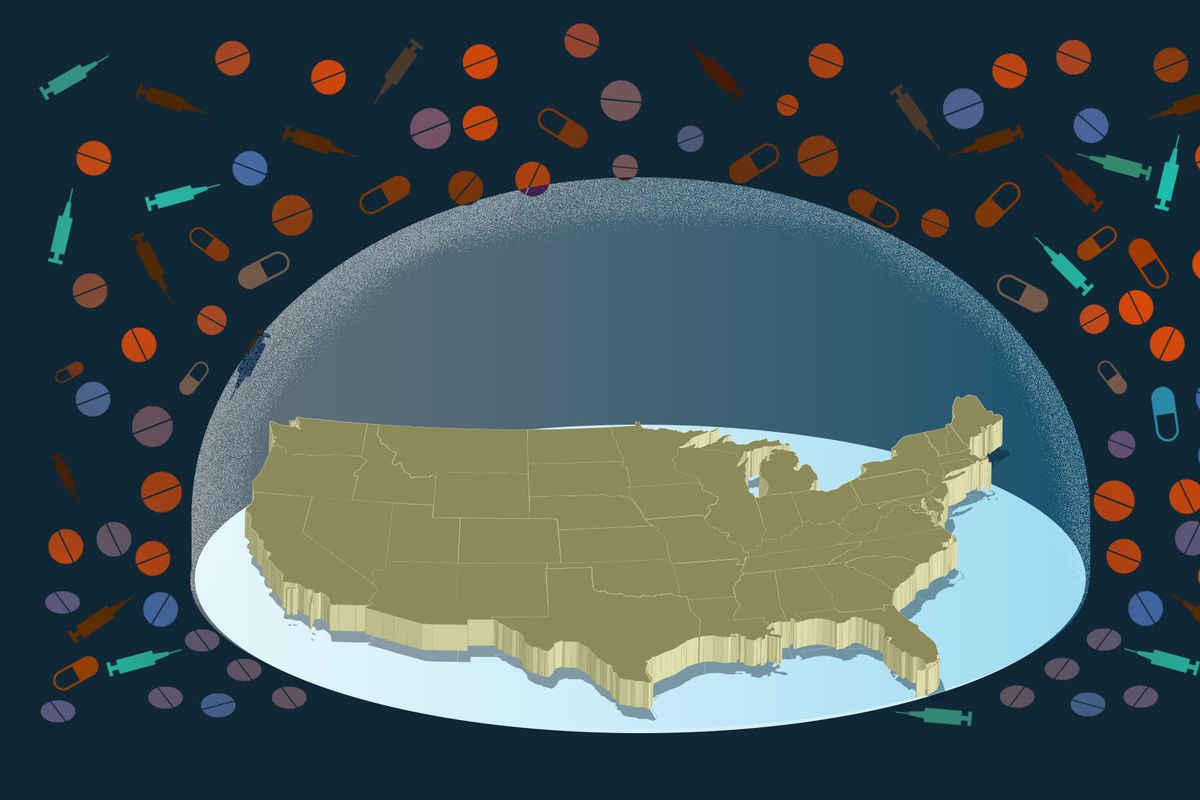
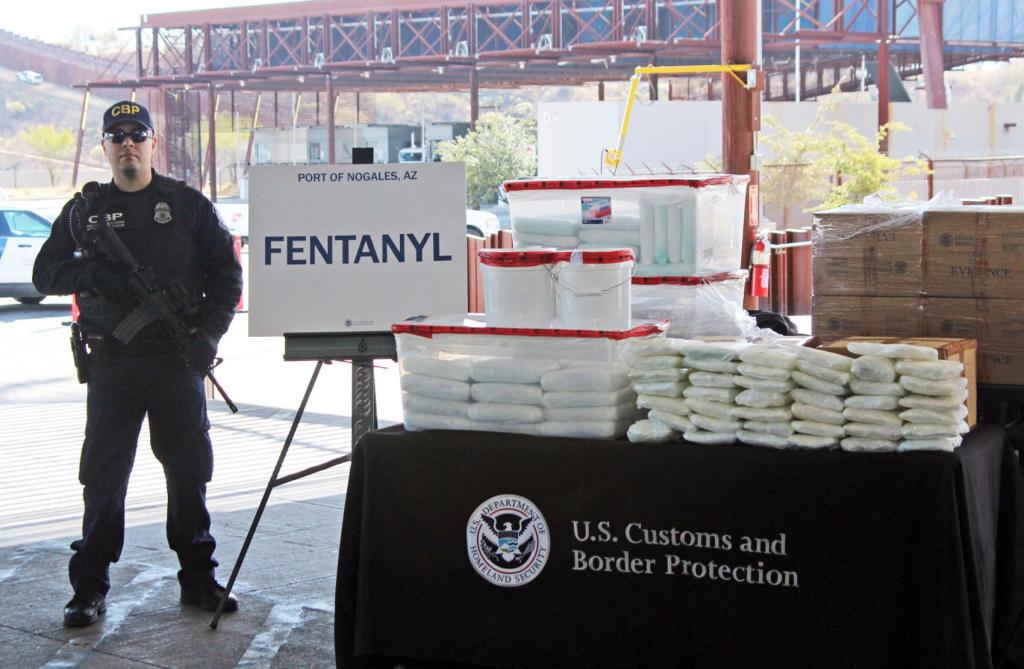
The turning point for the opioid crisis happen during the years of 2012 and 2016. Throughout this period the government and the medical community began to take a greater notice toward the opioid crisis. It became apparent that more Americans where dying from overdoses than car crashes throughout the United States. It 2016, the Trump administration began a series of new public health policies with hopes of providing a solution to the opioid crisis. During the same year, the Centers for Disease Control and Prevention (CDC) published guidelines that showed the medical community the circumstances in which opioid should be used a prescribed. Although initially intended for primary care physicians, the entitreity of the medical community began using these guidelines to set a standard for prescribing opioids to patients. While this helped quell instances of overprescription, illegal opioid were still being easily distributed through many communities affected by the opioid crisis. The Trump administration began pushing incentives among the Drug Enforcement Administration (DEA) and related law enforcement to crack down on the distribution of illegal opioid. Seizure of both prescription and illegal narcotics became more frequent with U.S. custom agencies working diligently to stop the supply of opioids coming into the United States. Although not creating a lasting solution to the opioid crisis, these initial steps allow for the government and health care industry to exert some control over the situation for now so that later developments can be made to provide a lasting solution.

 Breaking the Cycle